

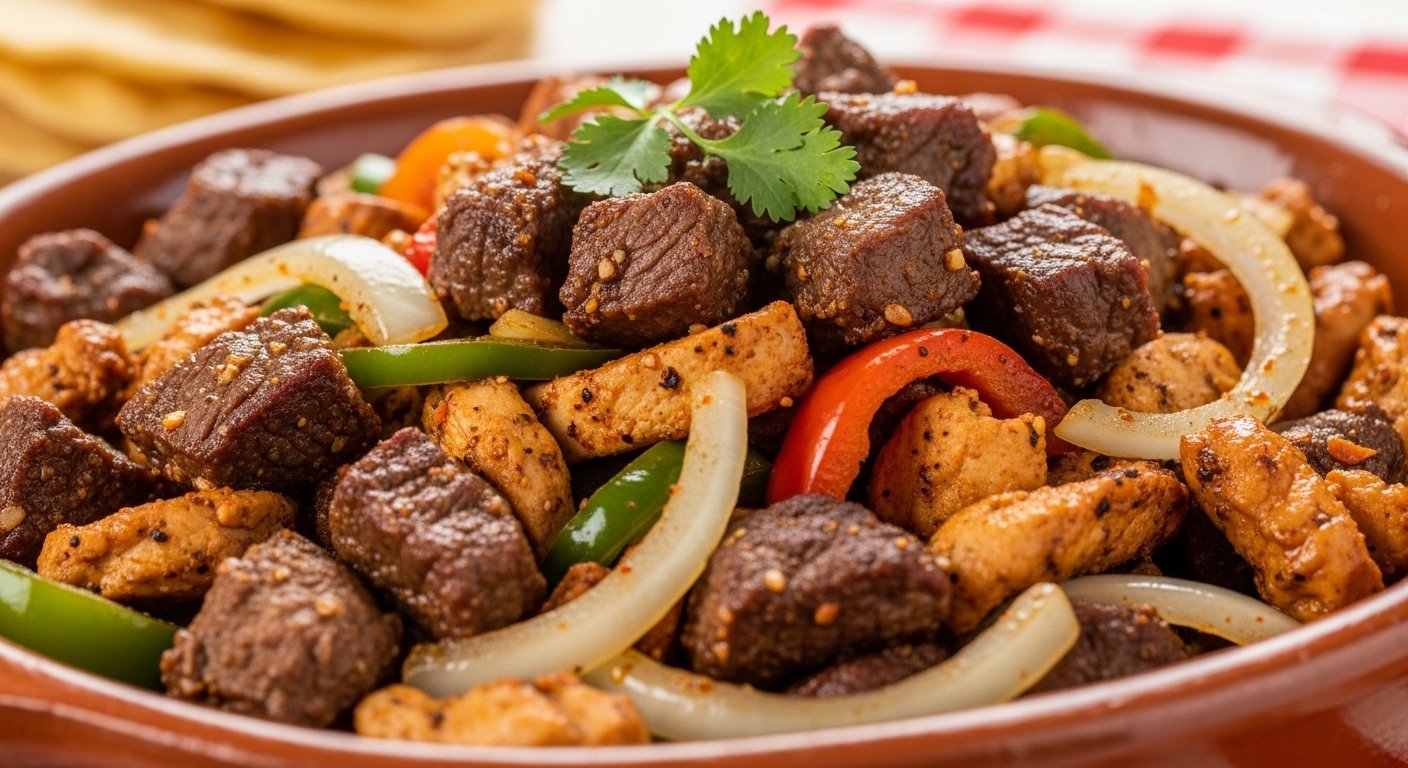
Picada is a beloved food tradition found across Latin America and Spain, known for its flexibility, rich flavors, and social appeal. Rather than being a single dish, picada refers to a style of serving a variety of small, flavorful foods—often arranged together and shared among family and friends.
From casual gatherings to festive celebrations, picada represents more than just food; it reflects culture, hospitality, and the joy of communal eating.
What Is Picada?
At its core, a picada is a selection of bite-sized foods served together, similar to a platter or spread. The word comes from the Spanish verb picar, meaning “to nibble” or “to snack.”
A typical picada may include:
- Cured meats
- Cheeses
- Olives
- Bread or crackers
- Dips and spreads
- Grilled or fried snacks
The exact ingredients vary widely depending on the region and occasion.
Regional Variations of Picada
Argentina and Uruguay
In countries like Argentina and Uruguay, picada is a staple at social gatherings. It often includes:
- Salami and chorizo
- Local cheeses
- Pickled vegetables
- Peanuts and chips
It is commonly served before a barbecue (asado) or as a light meal with drinks.
Spain
In Spain, picada can refer to both a snack spread and a culinary technique. As a spread, it resembles tapas, featuring:
- Jamón (cured ham)
- Manchego cheese
- Olives and anchovies
As a technique, “picada” also refers to a paste made from garlic, nuts, herbs, and bread, used to thicken and flavor dishes like stews.
Other Latin American Countries
Across Latin America, picada adapts to local tastes:
- In Colombia, it may include grilled meats, potatoes, and plantains
- In Chile, seafood and empanadas might be added
- In Mexico, similar concepts appear in botanas or appetizer platters
Picada as a Social Experience
One of the defining features of picada is its communal nature. It is designed for sharing and encourages conversation and connection.
Why It’s Popular
- Easy to prepare and customize
- Suitable for all occasions
- Encourages relaxed, informal dining
- Brings people together around food
Picadas are often enjoyed with beverages like wine, beer, or soft drinks, making them perfect for gatherings.
How to Create a Perfect Picada
1. Choose a Variety of Flavors
Include a mix of salty, savory, and fresh items.
2. Balance Textures
Combine crunchy, soft, and creamy elements for a satisfying experience.
3. Use Local Ingredients
Incorporate regional specialties for authenticity.
4. Present красиво (Beautifully)
Arrange items attractively on a board or platter to enhance appeal.
Popular Ingredients in Picada
- Meats: Salami, ham, sausages
- Cheeses: Hard and soft varieties
- Vegetables: Olives, pickles, roasted peppers
- Carbs: Bread, crackers, chips
- Extras: Nuts, dips, sauces
Picada vs. Similar Concepts
Picada shares similarities with other global food traditions:
- Tapas (Spain): Small dishes served individually
- Charcuterie boards: Meat and cheese platters
- Meze (Middle East): Assorted appetizers
However, picada stands out for its informal, mix-and-match style and cultural identity.
Conclusion
Picada is more than just a collection of snacks—it’s a culinary tradition rooted in sharing, variety, and enjoyment. Whether served before a meal or as the main attraction, it offers endless possibilities for creativity and connection.
By embracing the picada style, you can turn any gathering into a warm, flavorful, and memorable experience.