

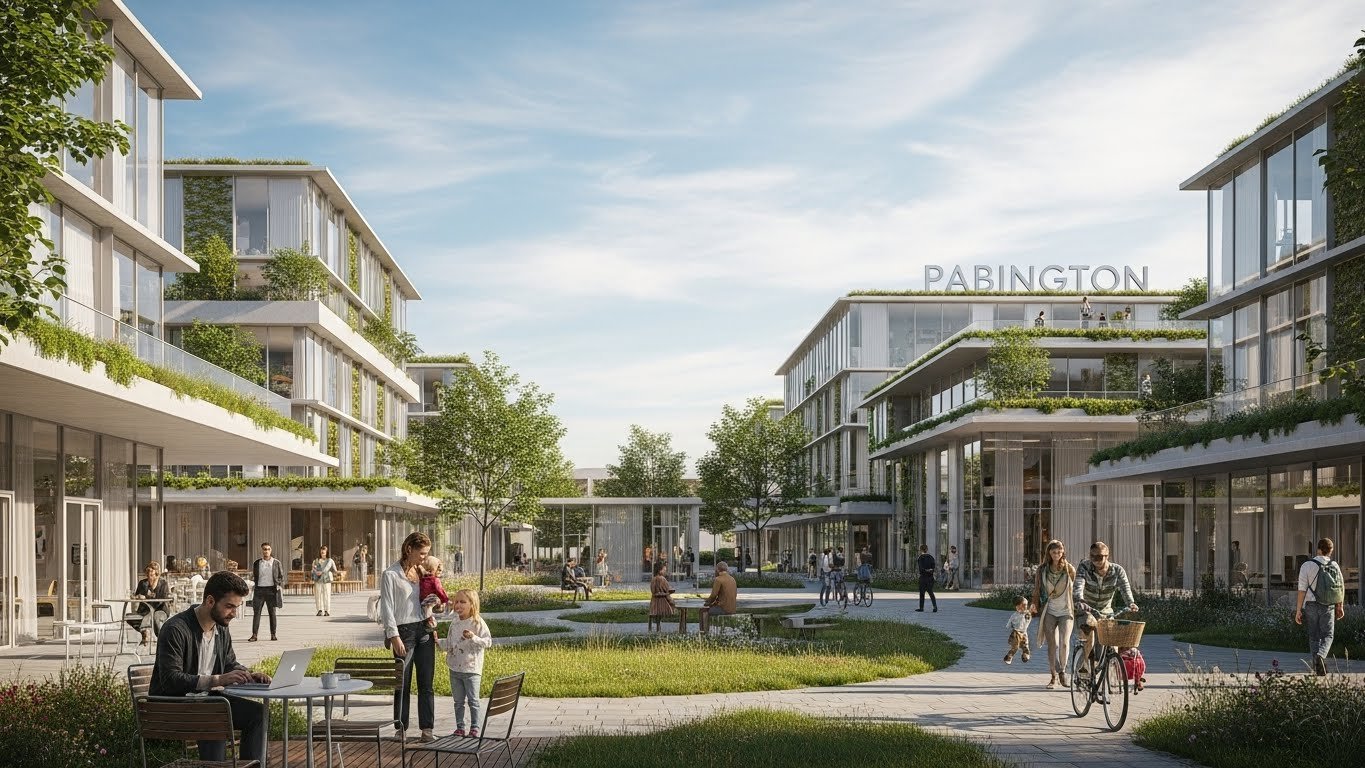
Pabington is emerging as a modern lifestyle concept that redefines how people interact with spaces, environments, and communities. In an age where functionality alone is no longer enough, individuals and organizations are seeking places that inspire connection, emotion, and purpose. Pabington responds to this shift by blending place-making principles with experiential design and contemporary living values.
This article explores the essence of Pabington, its core philosophy, how it shapes meaningful spaces, and why it is becoming increasingly relevant in modern lifestyle planning, urban development, and creative design.
Understanding the Concept of Pabington
Pabington is not just a physical place or a single design approach. It represents a versatile idea rooted in intentional living and thoughtful spatial experiences. At its heart, Pabington emphasizes how spaces influence emotions, behaviors, and social interactions.
Unlike traditional design models that focus solely on aesthetics or efficiency, this concept integrates human experience as a central priority. Every element within a Pabington-inspired space is designed to serve both practical needs and emotional well-being.
The Philosophy Behind Pabington
The philosophy of Pabington revolves around three essential pillars:
Human-Centered Design
Spaces are created with people in mind. Layouts, materials, lighting, and flow are designed to support comfort, clarity, and engagement rather than overwhelm.
Meaningful Interaction
Pabington-inspired environments encourage interaction—between individuals, communities, and the space itself. These interactions foster a sense of belonging and shared identity.
Purposeful Living
Every space has a reason to exist. Whether residential, commercial, or public, each area serves a clear purpose aligned with lifestyle values and emotional resonance.
Pabington and Modern Lifestyle Evolution
Modern lifestyles are increasingly shaped by flexibility, mindfulness, and experience-driven choices. Pabington aligns perfectly with these evolving preferences.
People today value:
-
Balance between work and personal life
-
Emotional connection to environments
-
Spaces that adapt to changing needs
Pabington addresses these expectations by offering adaptable design frameworks that support dynamic living without losing coherence or identity.
The Role of Place-Making in Pabington
Place-making is a foundational element of the Pabington concept. It focuses on transforming spaces into places that people care about and feel connected to.
Creating Identity Through Space
A Pabington-inspired environment reflects a clear identity. This could be cultural, social, or lifestyle-oriented, allowing users to recognize and emotionally connect with the space.
Encouraging Community Engagement
Through thoughtful layouts and shared zones, Pabington designs promote interaction, collaboration, and community-building.
Enhancing Emotional Connection
Colors, textures, sounds, and spatial flow are carefully curated to evoke positive emotional responses, making spaces memorable and meaningful.
Experiential Design as a Core Element
Experiential design is what brings Pabington to life. Rather than focusing on how a space looks, this approach prioritizes how it feels to exist within it.
Sensory Awareness
Lighting, acoustics, and materials are selected to create comfort and harmony. These elements work together to influence mood and behavior.
Journey-Based Design
Spaces are structured as experiences, guiding users through intentional transitions rather than static zones.
Emotional Storytelling
Every space tells a story. Pabington integrates narrative elements that reflect values, culture, or lifestyle aspirations.
Pabington in Residential Spaces
In residential environments, Pabington supports intentional living and emotional well-being.
Homes That Adapt
Modern homes must accommodate work, rest, and social life. Pabington-inspired layouts allow for flexibility without sacrificing comfort.
Mindful Interiors
Natural light, open spaces, and calming design elements contribute to mental clarity and relaxation.
Personal Expression
Residents can personalize their spaces while still maintaining a cohesive design language aligned with the Pabington philosophy.
Commercial and Public Applications
Pabington is equally effective in commercial and public environments.
Workspaces
In offices, this concept encourages productivity while prioritizing employee well-being. Thoughtful design reduces stress and enhances collaboration.
Retail and Hospitality
Experiential spaces attract visitors by offering memorable interactions rather than transactional experiences.
Public Areas
Community spaces designed with Pabington principles foster inclusivity, accessibility, and long-term engagement.
Sustainability and Conscious Design
Sustainability plays a significant role in the Pabington approach. Meaningful spaces must also be responsible and future-focused.
Eco-Friendly Materials
Sustainable materials reduce environmental impact while enhancing aesthetic authenticity.
Efficient Use of Space
Design efficiency minimizes waste and promotes long-term usability.
Longevity Over Trends
Pabington prioritizes timeless design choices over short-lived trends, ensuring lasting relevance.
Why Pabington Resonates in Today’s World
Several cultural and societal shifts contribute to the growing relevance of Pabington.
-
Increased focus on mental health
-
Desire for deeper community connections
-
Demand for experiences over possessions
-
Rise of flexible work and living models
Pabington addresses these needs by offering spaces that are emotionally intelligent, adaptable, and purpose-driven.
Digital Influence and Lifestyle Integration
Modern lifestyle concepts must bridge physical and digital experiences. Pabington acknowledges this integration without allowing technology to dominate.
Smart systems, when used, enhance comfort and efficiency while maintaining human-centric design principles. Technology becomes a supporting tool rather than the focal point.
Design Principles That Define Pabington
Several guiding principles help define this concept:
-
Clarity over complexity
-
Experience over appearance
-
Function aligned with emotion
-
Community before isolation
-
Purpose before decoration
These principles ensure consistency across different applications while allowing creative flexibility.
Challenges and Considerations
While Pabington offers many benefits, thoughtful implementation is essential.
Avoiding Overdesign
Too many experiential elements can overwhelm users. Balance is key.
Maintaining Authenticity
Spaces must reflect genuine values rather than superficial branding.
Understanding User Needs
Successful Pabington-inspired spaces are built on deep understanding of the people who use them.
The Future of Pabington
As lifestyles continue to evolve, Pabington is positioned to influence future design and development strategies. Its adaptability makes it suitable for emerging trends such as remote work, shared living, and hybrid spaces.
Future applications may include:
-
Smart urban developments
-
Wellness-focused communities
-
Creative hubs and cultural centers
The concept’s strength lies in its ability to grow alongside changing human needs.
How Organizations Can Embrace Pabington
For brands, developers, and designers, adopting Pabington means shifting perspective.
-
Focus on long-term value rather than short-term appeal
-
Prioritize emotional impact alongside functionality
-
Engage users in the design process
This approach results in spaces that remain relevant, loved, and effective over time.
Conclusion
Pabington represents a modern lifestyle concept that goes beyond design trends and architectural styles. By combining place-making, experiential design, and human-centered thinking, it shapes spaces that truly matter to the people who use them.
In a world where environments deeply influence well-being and connection, Pabington offers a meaningful framework for creating spaces that inspire, engage, and endure. Whether applied to homes, workplaces, or public areas, this concept stands as a thoughtful response to the demands of contemporary living.