

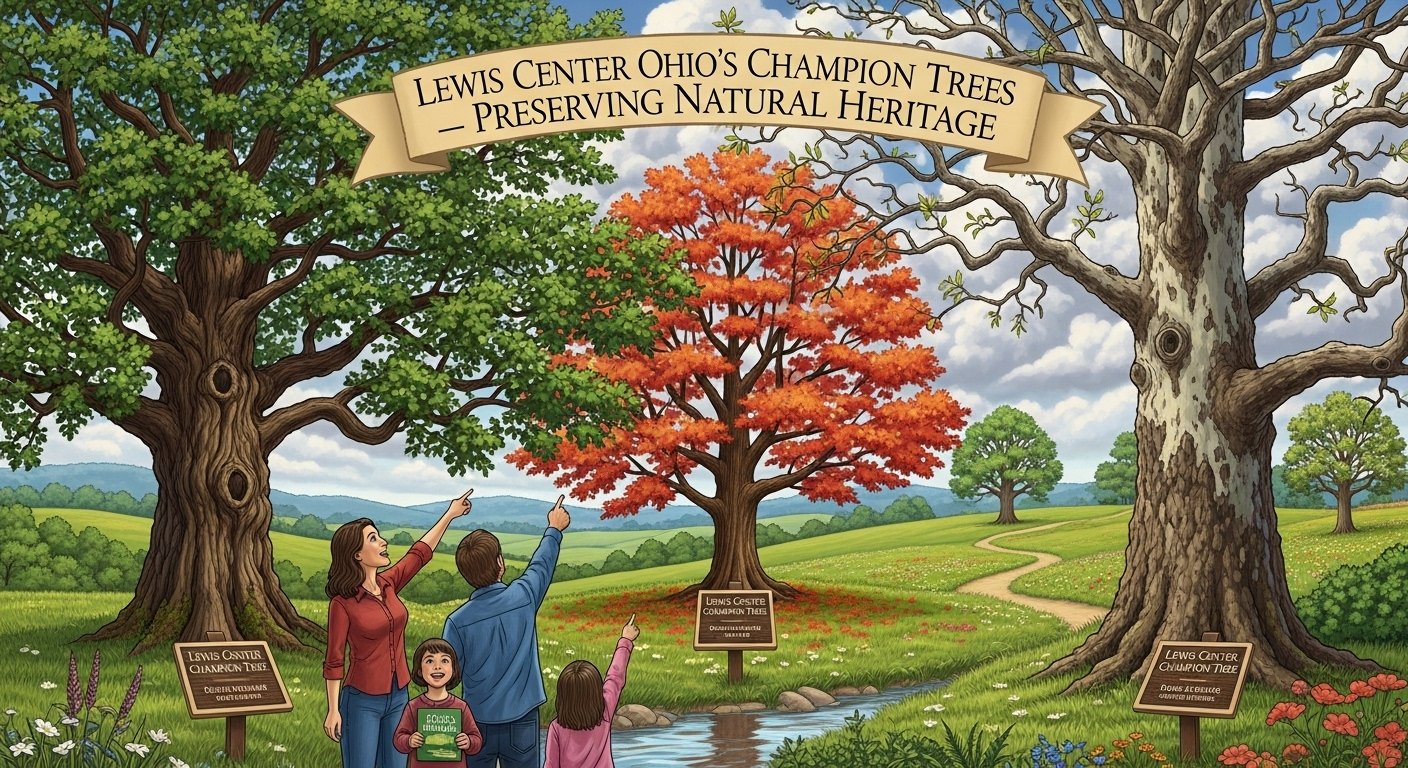
Trees are more than just a backdrop to our daily lives; they are living monuments that connect us to the past, enhance the present, and preserve a legacy for the future. In Lewis Center, Ohio, a small community in Delaware County, residents and nature enthusiasts are privileged to witness some of the state’s most remarkable trees. These are not just ordinary trees—they are Ohio Champion Trees, recognized for their exceptional size, age, and historical or ecological significance.
Champion trees serve as symbols of Ohio’s natural heritage, reflecting centuries of growth and resilience. Preserving these giants is critical, not only for environmental reasons but also for cultural, educational, and aesthetic value. This article explores the significance of champion trees in Lewis Center, Ohio, the efforts to preserve them, and the benefits they bring to communities and ecosystems.
What Are Champion Trees?
Champion trees are officially recognized as the largest known trees of their species within a state or region. The designation is typically based on a point system that factors in:
-
Trunk circumference (measured at 4.5 feet above the ground)
-
Height of the tree
-
Average crown spread
The Ohio Department of Natural Resources (ODNR) maintains a list of these remarkable trees, celebrating their natural grandeur and ecological importance. Champion trees can belong to various species, including oak, maple, elm, hickory, and sycamore. Many of these trees have been standing for centuries, quietly witnessing the evolution of their surroundings while providing critical habitat for wildlife.
In Lewis Center, Ohio, the champion trees range from towering oaks with massive canopies to ancient sycamores with sprawling branches. Each tree tells a story of resilience, growth, and the intricate balance of local ecosystems.
The Significance of Champion Trees
Champion trees hold significance beyond their sheer size. Their value can be categorized into ecological, cultural, and educational dimensions.
1. Ecological Importance
Champion trees are keystone organisms in their ecosystems. Their large canopies provide shelter and food for birds, mammals, and insects. The extensive root systems stabilize soil, prevent erosion, and improve water retention. In addition, mature trees absorb carbon dioxide, produce oxygen, and help moderate local temperatures, contributing to climate resilience in urban and suburban environments.
2. Cultural and Historical Value
Many of Lewis Center’s champion trees have stood for generations, becoming landmarks in their communities. They witness the passage of time, from early settlers to modern development, and connect residents to the region’s natural and cultural history. Some trees are even associated with historical events or local folklore, adding to their symbolic value.
3. Educational and Recreational Benefits
Champion trees are natural classrooms for students, environmentalists, and visitors. Observing these giants allows people to learn about tree biology, ecology, conservation, and the importance of biodiversity. Parks and trails featuring champion trees also provide recreational opportunities, offering shaded areas for walking, picnicking, and enjoying nature.
Notable Champion Trees in Lewis Center, Ohio
Lewis Center is home to a variety of champion trees, each with unique characteristics and impressive dimensions. While Ohio’s official records include multiple species, several trees in Lewis Center are particularly remarkable:
-
The Lewis Center White Oak – One of the oldest and largest white oaks in Delaware County, its trunk measures over 20 feet in circumference, and its canopy spreads across a wide area, providing habitat for numerous bird species.
-
Sycamore Sentinel – Towering over 100 feet, this sycamore stands as a testament to the area’s natural growth potential. Its striking bark and large limbs make it a favorite for photographers and nature enthusiasts.
-
Red Maple Giant – Known for its vibrant fall foliage, this red maple’s exceptional size and aesthetic beauty make it a community landmark. It also serves as a critical food source for local wildlife.
-
Historic Hickory Tree – Over two centuries old, this hickory tree is a living record of Lewis Center’s natural history. Its sturdy branches provide shelter for squirrels, raccoons, and many bird species.
These trees not only enhance the landscape but also contribute to the environmental and cultural identity of Lewis Center.
Efforts to Preserve Champion Trees
Preserving champion trees is crucial for maintaining ecological balance and cultural heritage. Multiple organizations and community groups in Lewis Center are actively involved in tree preservation efforts.
1. Ohio Department of Natural Resources (ODNR)
The ODNR maintains the Ohio Champion Tree Program, which identifies, documents, and monitors the largest trees in the state. Regular assessments ensure that trees are healthy and threats such as disease or invasive pests are addressed promptly.
2. Local Conservation Organizations
Local groups such as the Delaware County Soil and Water Conservation District and community tree boards organize educational programs, tree planting events, and monitoring initiatives to protect and expand green spaces.
3. Community Involvement
Residents play a vital role in champion tree preservation. Volunteers participate in clean-ups, report tree health issues, and advocate for protective ordinances. Educational campaigns encourage homeowners and businesses to plant native species and minimize activities that could harm existing trees.
4. Urban Planning and Landscaping Initiatives
City planners in Lewis Center integrate tree preservation into zoning and development projects. This approach ensures that urban expansion does not compromise the health or safety of champion trees. Tree protection plans often include protective barriers, pruning, and soil management.
Challenges Facing Champion Trees
Despite their resilience, champion trees face numerous challenges:
-
Urban Development: Construction and landscaping can damage roots, compact soil, and disrupt natural growth.
-
Pests and Diseases: Invasive insects and fungal infections threaten the health of large trees.
-
Climate Change: Extreme weather, drought, and temperature fluctuations can stress older trees.
-
Vandalism or Neglect: Human activity, such as climbing or carving, can cause irreversible damage.
Addressing these challenges requires a combination of education, regulation, and proactive care. Lewis Center’s community efforts, supported by state programs, play a critical role in safeguarding these natural treasures.
The Broader Impact of Preserving Champion Trees
Preserving champion trees benefits more than just the immediate environment. These trees:
-
Enhance property values and aesthetic appeal
-
Promote environmental awareness and stewardship
-
Support biodiversity by providing habitat for wildlife
-
Reduce urban heat islands and improve air quality
-
Serve as landmarks for tourism and local pride
Champion trees in Lewis Center thus act as both ecological assets and cultural icons, enriching the lives of residents and visitors alike.
Educational and Community Engagement Opportunities
Many educational institutions in Lewis Center incorporate champion trees into their curriculum. Students learn about biology, environmental science, and conservation through hands-on experiences. Local parks offer guided tours, workshops, and citizen science programs that teach participants how to identify tree species, monitor health, and understand ecosystem interactions.
Community events such as Arbor Day celebrations, tree planting drives, and nature walks foster a connection between residents and their natural surroundings. Engaging children and adults alike helps cultivate a sense of stewardship, ensuring that future generations continue to value and protect these living landmarks.
How Residents Can Help
Preserving champion trees is a shared responsibility. Residents of Lewis Center can contribute by:
-
Planting native trees and shrubs
-
Reporting signs of disease or pest infestations
-
Avoiding damage to root zones and canopies
-
Supporting local conservation initiatives
-
Participating in educational programs and tree surveys
Even small actions, such as proper watering, mulching, and preventing soil compaction around young trees, can make a significant difference in the health and longevity of champion trees.
A Living Legacy for Future Generations
Champion trees in Lewis Center, Ohio, are more than just natural landmarks—they are living legacies. Their towering presence reminds us of the resilience of nature and the importance of preserving our natural heritage. By protecting these giants, we not only honor the past but also provide a greener, healthier, and more vibrant environment for future generations.
Through community involvement, careful planning, and educational outreach, Lewis Center continues to champion the cause of tree preservation. Each tree saved, nurtured, or celebrated strengthens the bond between humans and the natural world, creating a lasting impact that goes far beyond its physical stature.
Conclusion
Lewis Center, Ohio’s champion trees are extraordinary examples of nature’s power, beauty, and resilience. They are ecological pillars, historical markers, and symbols of community pride. Preserving these giants requires dedication, collaboration, and awareness—but the rewards are immense.
By celebrating and protecting champion trees, Lewis Center not only safeguards its natural heritage but also fosters a culture of environmental stewardship, education, and appreciation. These majestic trees stand as reminders that even in a rapidly changing world, nature’s legacy can endure—and with care and commitment, it will continue to inspire and enrich lives for generations to come.
Champion trees are living proof that conservation and community engagement can coexist beautifully. Lewis Center’s dedication to these natural treasures ensures that Ohio’s largest and oldest trees will continue to thrive, standing tall as symbols of resilience, history, and natural beauty.