

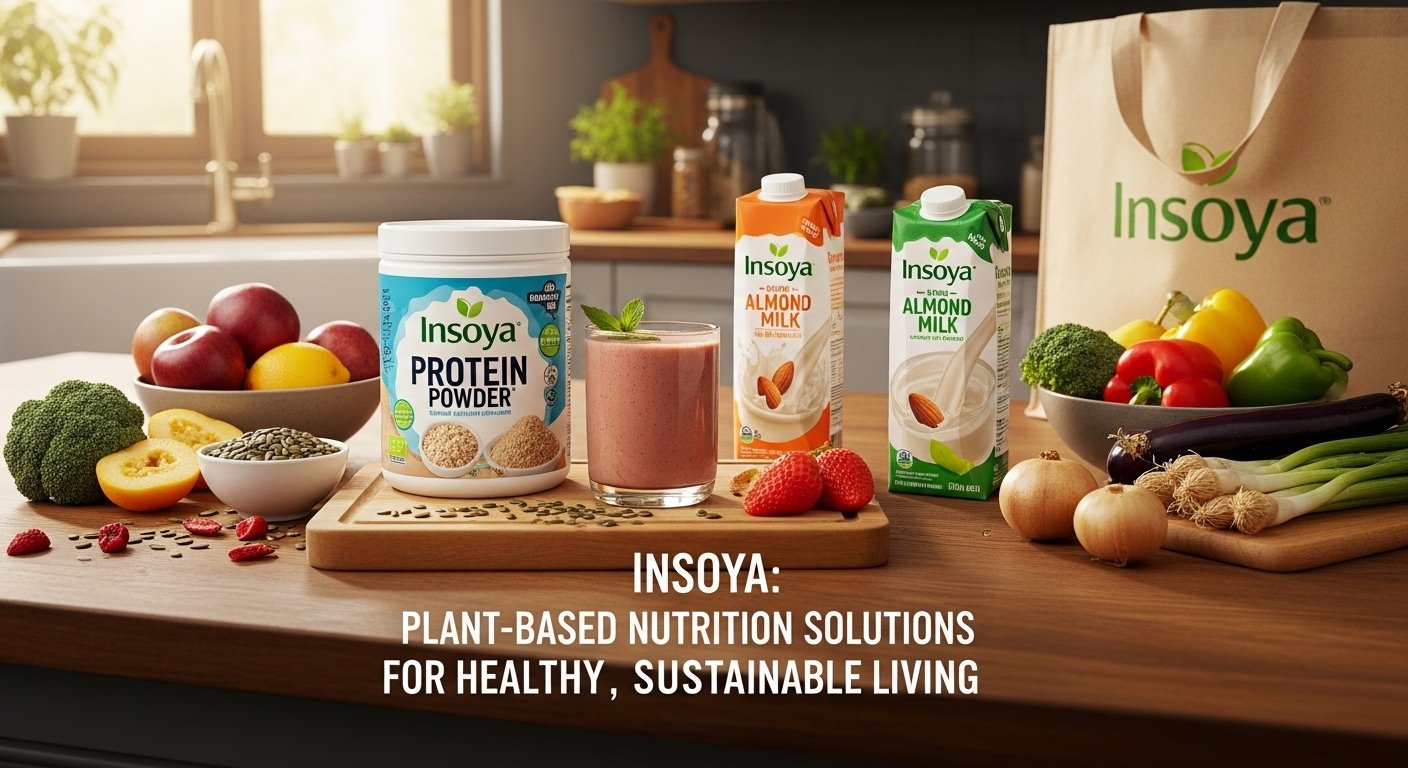
As the world becomes more health-conscious and environmentally aware, people are rethinking what they eat and how their food choices impact both their bodies and the planet. Traditional diets heavy in animal-based products are increasingly being replaced—or at least balanced—by plant-based alternatives. At the heart of this global shift stands Insoya, a modern concept focused on delivering plant-based nutrition solutions that promote health, sustainability, and ethical living.
Insoya represents more than just soy-based food products. It embodies a lifestyle choice that blends nutritional science, environmental responsibility, and innovation to support healthier individuals and a more sustainable world.
Understanding Insoya
Insoya is centered around soy and plant-derived nutrition designed to meet the dietary needs of modern consumers. Soybeans are among the most nutrient-dense plant foods available, offering high-quality protein, essential amino acids, fiber, vitamins, and minerals.
Insoya leverages the nutritional power of soy and other plant ingredients to create products and solutions suitable for:
-
Vegetarians and vegans
-
Health-conscious individuals
-
Athletes and active lifestyles
-
People seeking sustainable food options
-
Those reducing meat and dairy consumption
By combining science-backed nutrition with clean, plant-based ingredients, Insoya aims to make healthy eating both accessible and enjoyable.
The Nutritional Power of Soy
Soy is a cornerstone of the Insoya philosophy due to its exceptional nutritional profile.
1. Complete Plant Protein
Unlike many plant foods, soy contains all nine essential amino acids, making it a complete protein. This makes Insoya products an excellent alternative to animal-based protein sources.
2. Heart Health Benefits
Soy consumption has been linked to improved heart health. It may help reduce bad cholesterol levels while supporting overall cardiovascular function.
3. Rich in Micronutrients
Soy provides iron, calcium, magnesium, potassium, and B vitamins—nutrients essential for energy production and bone health.
4. Digestive Support
Plant-based fiber found in soy supports digestion, gut health, and sustained energy levels.
By focusing on these benefits, Insoya promotes balanced nutrition without relying on artificial additives or excessive processing.
Insoya and Sustainable Living
Sustainability is a core pillar of the Insoya mission. Food production has a significant environmental footprint, and plant-based nutrition offers a solution to many ecological challenges.
Lower Environmental Impact
Compared to animal agriculture, soy-based food production requires:
-
Less water
-
Less land
-
Fewer greenhouse gas emissions
By choosing Insoya-inspired nutrition, consumers contribute to reducing environmental strain and conserving natural resources.
Supporting a Greener Future
Insoya aligns with sustainable farming practices, ethical sourcing, and responsible manufacturing. These principles help create food systems that support both present and future generations.
Health Benefits of Insoya-Based Diets
Adopting an Insoya-centered diet can offer multiple health advantages:
1. Weight Management
Plant-based diets are often lower in saturated fats and calories, supporting healthy weight control without sacrificing nutrition.
2. Improved Energy Levels
Clean plant proteins and complex carbohydrates provide steady energy throughout the day, avoiding crashes associated with highly processed foods.
3. Better Digestive Health
Fiber-rich plant foods support gut bacteria, improve digestion, and reduce bloating.
4. Reduced Risk of Chronic Diseases
Research suggests plant-based diets may lower the risk of heart disease, type 2 diabetes, and certain inflammatory conditions.
Insoya encourages a holistic approach to health by focusing on long-term wellness rather than short-term dietary trends.
Insoya Products and Applications
Insoya-based solutions can take many forms, making them versatile and adaptable to different lifestyles.
Soy Milk and Dairy Alternatives
Plant-based milk alternatives made from soy are rich in protein and suitable for lactose-intolerant individuals.
Protein Foods and Meat Alternatives
Textured soy protein and soy-based meat substitutes provide satisfying textures and flavors while remaining cholesterol-free.
Nutritional Supplements
Soy protein powders and fortified foods support athletes, fitness enthusiasts, and individuals with increased protein needs.
Everyday Cooking Ingredients
Soy flour, tofu, tempeh, and soy oil are staples in many cuisines and offer endless culinary possibilities.
These applications make Insoya an inclusive solution for people across cultures and dietary preferences.
Insoya for Athletes and Active Lifestyles
One common misconception is that plant-based diets lack sufficient protein for athletic performance. Insoya challenges this belief.
Soy protein supports:
-
Muscle repair and growth
-
Endurance and recovery
-
Balanced amino acid intake
Many athletes now include soy protein as part of their nutrition plans due to its digestibility and effectiveness. Insoya demonstrates that plant-based nutrition can fully support physical performance.
Cultural and Global Relevance
Soy has been a dietary staple in many cultures for centuries, particularly in Asian cuisines. Insoya builds upon this traditional knowledge while adapting it to modern tastes and nutritional standards.
In a globalized world, Insoya bridges tradition and innovation by:
-
Respecting cultural food practices
-
Modernizing recipes for contemporary lifestyles
-
Making plant-based foods accessible worldwide
This cultural adaptability helps Insoya resonate with diverse populations across different regions.
Addressing Myths About Soy
Despite its benefits, soy has faced misconceptions. Insoya emphasizes education and transparency to address these concerns.
Myth 1: Soy Disrupts Hormones
Scientific research shows that moderate soy consumption is safe for most people and does not cause hormonal imbalance.
Myth 2: Plant Protein Is Inferior
Soy provides complete protein comparable to animal sources.
Myth 3: Soy Is Highly Processed
Many Insoya products focus on minimally processed ingredients and clean labels.
By promoting evidence-based nutrition, Insoya empowers consumers to make informed choices.
Insoya and Ethical Eating
Ethical considerations play a growing role in food choices. Insoya supports:
-
Reduced animal suffering
-
Fair labor practices
-
Responsible sourcing
These values align with the growing movement toward conscious consumption, where food choices reflect personal ethics as well as health goals.
Innovation and the Future of Insoya
The future of food lies in innovation, and Insoya continues to evolve through:
-
Improved plant protein textures and flavors
-
Fortified foods addressing nutritional gaps
-
Eco-friendly packaging solutions
-
Research-driven product development
As technology advances, Insoya aims to make plant-based nutrition even more appealing, affordable, and sustainable.
Challenges and Opportunities
While plant-based nutrition is growing, challenges remain:
-
Accessibility in some regions
-
Misunderstanding of nutritional needs
-
Resistance to dietary change
However, these challenges also present opportunities for education, innovation, and community engagement. Insoya positions itself as a solution-oriented approach that adapts to consumer needs.
Insoya as a Lifestyle Choice
Choosing Insoya is not about restriction; it’s about balance and awareness. It encourages people to reconnect with natural foods, respect the environment, and prioritize long-term health.
Whether someone fully adopts a plant-based diet or simply incorporates more plant-based meals, Insoya supports flexible, realistic lifestyle changes.
Conclusion
Insoya: Plant-Based Nutrition Solutions for Healthy, Sustainable Living represents a powerful response to modern health and environmental challenges. By harnessing the nutritional strength of soy and plant-based ingredients, Insoya promotes wellness, sustainability, and ethical responsibility.
In a world seeking smarter food choices, Insoya offers a path toward healthier bodies, a cleaner planet, and a more conscious way of living. It proves that nutrition can be both nourishing and sustainable—without compromise.