

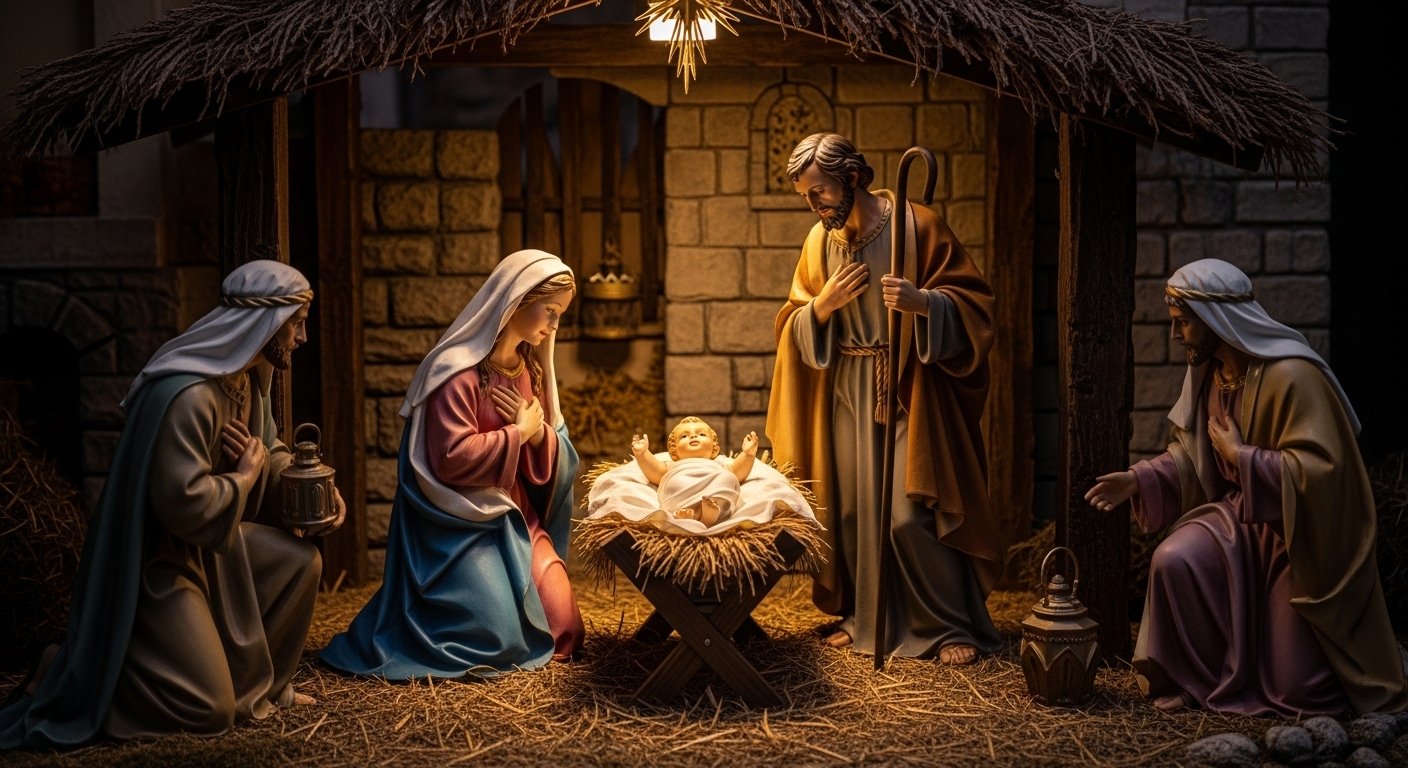
The Nativity, or Nativität in German, is one of the most cherished and widely recognized traditions in Christian culture. Representing the birth of Jesus Christ in Bethlehem, the Nativity is more than just a historical event—it embodies themes of hope, peace, humility, and divine love. From humble beginnings in a manger to elaborate cultural celebrations, the Nativity has inspired art, music, literature, and rituals for centuries.
Across the world, families, communities, and churches commemorate this event during the Christmas season, making the Nativity a central symbol of faith and cultural heritage. This article explores the meaning of Nativität, its historical origins, traditional customs, artistic representations, and enduring cultural significance.
The Historical and Religious Context of the Nativity
The Nativity refers to the birth of Jesus Christ, as described in the Gospels of Matthew and Luke in the New Testament of the Bible. According to biblical accounts, Jesus was born in Bethlehem to Mary and Joseph under humble circumstances.
Key aspects of the Nativity story include:
-
The Journey to Bethlehem: Mary and Joseph traveled from Nazareth to Bethlehem due to a Roman census, fulfilling the prophecy that the Messiah would be born in David’s city.
-
The Birth in a Manger: Lacking space in the inn, Mary gave birth in a stable, symbolizing humility and simplicity.
-
The Angels and Shepherds: Angels announced Jesus’ birth to nearby shepherds, representing divine revelation to the ordinary and humble.
-
The Visit of the Magi: Wise men, or Magi, traveled from the East, guided by a star, to honor the newborn king with gifts of gold, frankincense, and myrrh.
These elements highlight the spiritual significance of the Nativity: God’s incarnation in human form, humility, and the inclusion of all people regardless of status.
The Meaning and Symbolism of Nativität
The Nativity is rich with symbolic meaning that extends beyond the religious narrative. Some key interpretations include:
-
Humility and Simplicity: Jesus’ birth in a manger emphasizes that greatness and divine presence often come in the most modest forms.
-
Hope and Renewal: The Nativity signifies hope, signaling the arrival of a savior who brings light and salvation to the world.
-
Divine Revelation: The announcement to shepherds symbolizes that spiritual truths are accessible to all, not just the elite.
-
Unity and Peace: The story fosters a sense of community, as it brings people together to celebrate shared values and faith.
These symbolic dimensions have inspired centuries of devotional practices, art, and celebrations, making the Nativity an enduring cultural and spiritual motif.
Nativity Traditions Around the World
While the core story remains the same, Nativität traditions vary widely across cultures. Each region has developed unique customs that reflect local culture, art, and religious practice.
Europe
In Germany, nativity scenes, or Krippen, are a central tradition. Families set up miniature figures of Mary, Joseph, Jesus, shepherds, and animals, often adding local villagers or folkloric elements. These displays can range from simple tabletop scenes to elaborate public installations.
In Italy, the Presepe tradition includes detailed handcrafted nativity scenes, sometimes with entire villages depicted in miniature. These scenes often highlight everyday life, blending sacred storytelling with cultural identity.
In Spain, Belénes (nativity displays) are central to Christmas festivities, with some regions holding competitions for the most elaborate creations.
Latin America
Latin American countries celebrate Nativität with vibrant customs. In Mexico, Las Posadas is a reenactment of Mary and Joseph’s journey to Bethlehem. Communities walk through streets, singing and asking for lodging, culminating in festive celebrations with nativity scenes and piñatas.
In Peru, nativity scenes called Nacimiento are displayed in homes and churches, often including local flora, animals, and cultural motifs, blending Christian and indigenous traditions.
Middle East
In Bethlehem, the actual birthplace of Jesus, the Nativity Church preserves the historical site of the manger. Pilgrims visit annually, participating in religious ceremonies and reenactments of the Nativity. These observances connect believers directly to the biblical origins of Nativität.
Asia
In the Philippines, the Simbang Gabi tradition combines religious devotion with nativity displays. Colorful parols (star-shaped lanterns) light up homes and streets, symbolizing the Star of Bethlehem.
In Japan and South Korea, Christian communities also set up nativity scenes in churches and public spaces, emphasizing education about the Nativity story alongside cultural festivities.
Artistic Representations of the Nativity
The Nativität has inspired countless works of art over centuries. Artists have depicted the Nativity scene in paintings, sculptures, stained glass, music, and theater.
-
Painting: Renaissance masters like Giotto, Botticelli, and Caravaggio created iconic nativity paintings, emphasizing emotion, divine light, and human connection.
-
Sculpture: European cathedrals and churches often display sculpted nativity scenes, highlighting craftsmanship and devotion.
-
Music: Classical composers like Handel and Bach wrote works celebrating the Nativity, while modern Christmas carols continue to recount the story in song.
-
Theater and Pageantry: Nativity plays, or manger plays, reenact the birth of Christ, often performed in churches, schools, and communities during Christmas season.
These artistic expressions not only preserve the story but also enhance its emotional and spiritual resonance.
The Nativity in Modern Culture
Beyond religious observance, Nativität has become a cultural symbol that transcends faith traditions. In popular culture, nativity scenes appear in public squares, shopping centers, and media, emphasizing themes of family, generosity, and goodwill.
Modern interpretations also focus on inclusivity and social relevance. Some contemporary nativity displays depict diverse characters or highlight social issues such as poverty and migration, connecting the story’s themes to current global challenges.
Educational and Spiritual Significance
Nativität is often used as an educational tool for teaching moral values, history, and cultural heritage. Children learn about humility, compassion, and the importance of community through nativity plays and activities.
Spiritually, the Nativity serves as a reminder of faith, devotion, and hope. Many Christians engage in prayer, reflection, and charitable activities during the Christmas season, inspired by the story of Jesus’ birth.
Setting Up a Nativity Scene
Creating a nativity scene can be a deeply personal and meaningful tradition. Key steps include:
-
Selecting the figures: Mary, Joseph, Jesus, shepherds, angels, animals, and sometimes the Magi.
-
Choosing a location: Tabletop, shelf, or dedicated display area.
-
Arranging the scene: Place the manger in the center, with surrounding figures positioned to reflect the story.
-
Adding details: Hay, star ornaments, and local cultural elements enhance realism and symbolism.
-
Engaging in reflection: Many families use this time to recount the story and discuss its meaning, making it a spiritual experience.
The act of setting up a nativity scene connects participants to centuries of tradition while fostering personal reflection and family bonding.
The Enduring Legacy of Nativität
The Nativity continues to be a powerful symbol of faith, art, and cultural identity. Its enduring popularity can be attributed to several factors:
-
Universal themes: Humility, hope, and love resonate across cultures and generations.
-
Artistic inspiration: The Nativity provides rich material for creative expression.
-
Cultural adaptation: Communities worldwide adapt the story to local traditions and customs.
-
Spiritual significance: It remains a cornerstone of Christian observance during Christmas.
By preserving the story of the Nativity, societies maintain a connection to historical roots, moral teachings, and shared cultural values.
Conclusion
Nativität, or the Nativity, is much more than a historical event—it is a tradition that embodies faith, hope, and human connection. From the humble manger in Bethlehem to elaborate nativity displays worldwide, the story continues to inspire devotion, art, and cultural practices.
Through centuries of adaptation and celebration, the Nativity teaches enduring lessons about humility, generosity, and the universal search for peace and meaning. Whether in religious observance, artistic representation, or family traditions, Nativität remains a timeless symbol of love, hope, and the spirit of Christmas.
By exploring its history, symbolism, and cultural significance, we gain a deeper appreciation for this cherished tradition and its impact on communities around the globe