

Coastal regions around the world are vibrant hubs of life, culture, and economy. Yet, they are also areas exposed to natural hazards, particularly tsunamis—massive ocean waves triggered by underwater disturbances. The term Tsunaihaiya reflects an awareness of these phenomena, emphasizing the importance of understanding wave dynamics, improving coastal safety, and adopting effective disaster preparedness strategies. Exploring Tsunaihaiya offers insights into how humans interact with the ocean, the science behind these natural events, and the measures needed to mitigate risks.
Understanding Tsunaihaiya: The Science Behind Massive Waves
At the heart of Tsunaihaiya is the study of wave dynamics. Ocean waves are generated primarily by wind, but tsunamis originate from sudden geological disturbances such as undersea earthquakes, volcanic eruptions, or landslides. Unlike ordinary waves, tsunamis carry tremendous energy across vast distances and can reach heights exceeding 30 meters when they hit coastlines.
These waves travel at incredible speeds in deep water—sometimes exceeding 800 kilometers per hour—before slowing as they approach shallow coastal areas. The height and force of these waves make them extremely destructive, capable of flooding towns, damaging infrastructure, and endangering lives. Understanding these dynamics is essential for coastal communities to prepare and respond effectively.
Historical Impact of Tsunamis
History provides numerous examples of the devastating effects of tsunamis. The 2004 Indian Ocean tsunami claimed over 230,000 lives across multiple countries, demonstrating the catastrophic potential of these waves. Similarly, the 2011 Tōhoku earthquake and tsunami in Japan caused widespread damage, including a nuclear disaster, highlighting the complex risks associated with coastal hazards.
These events underscore the importance of studying Tsunaihaiya—not only to understand natural processes but also to implement systems that can save lives and protect communities. Lessons from past disasters inform modern strategies for monitoring, early warning, and evacuation.
Coastal Safety Measures
Coastal safety is a key component of Tsunaihaiya. Communities living near the ocean must balance the benefits of coastal resources with the risks posed by natural events. Several strategies enhance safety:
-
Early Warning Systems
Modern technology allows the detection of undersea earthquakes and unusual oceanic activity. Tsunami warning centers monitor seismic activity and oceanic sensors to provide timely alerts, giving residents critical time to evacuate. -
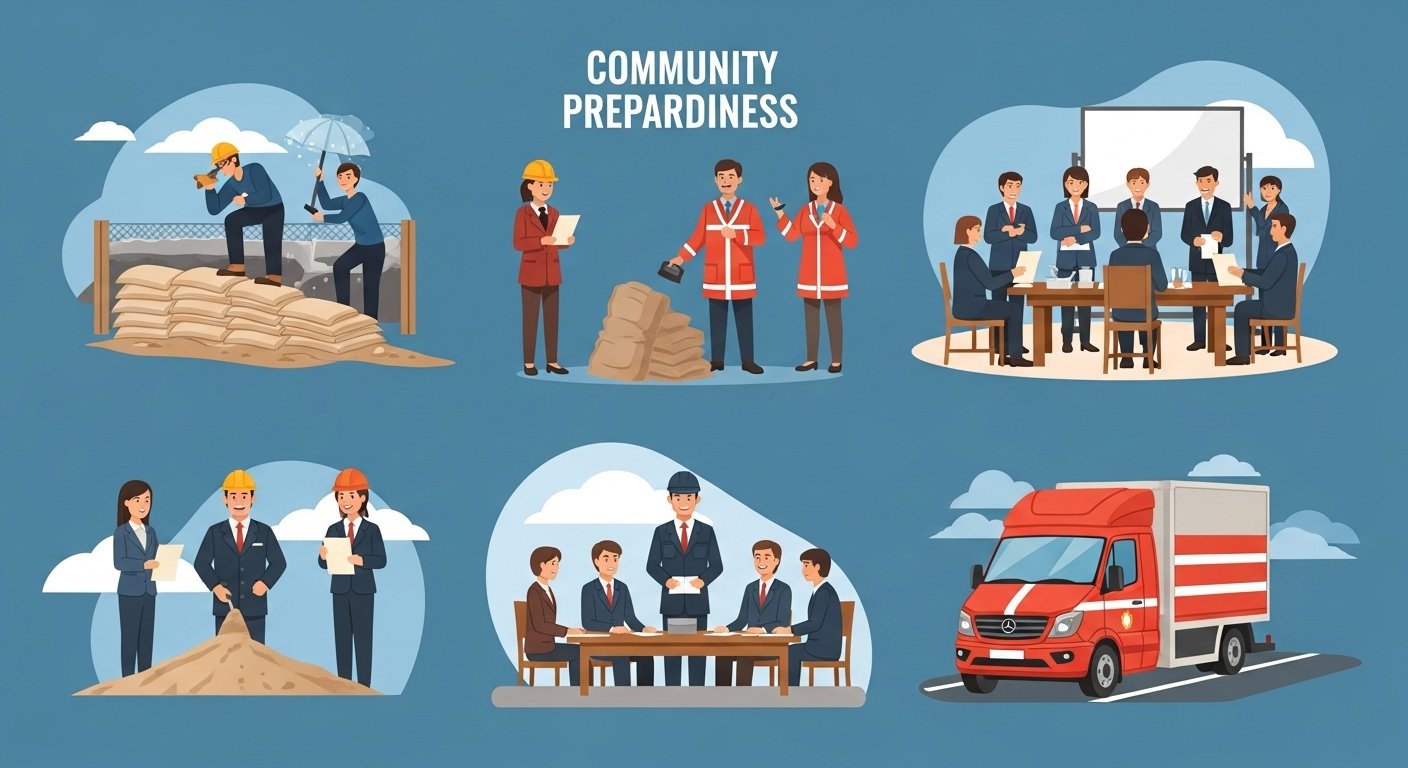
Community Preparedness
Local education programs teach residents how to recognize natural warning signs, such as sudden water withdrawal or unusual wave behavior. Drills and evacuation plans ensure that communities can respond quickly and efficiently. -
Infrastructure Design
Coastal infrastructure, including buildings, seawalls, and ports, can be designed to withstand tsunami impacts. Elevated structures, reinforced materials, and strategic urban planning reduce the risk of structural collapse. -
Evacuation Routes and Shelters
Clearly marked routes and well-maintained shelters are essential. Communities with accessible evacuation pathways and safe zones significantly reduce casualties during emergencies.
Environmental and Ecological Considerations
Tsunaihaiya also involves understanding the environmental impact of tsunamis. Coastal ecosystems, including mangroves, coral reefs, and wetlands, serve as natural buffers that absorb wave energy. Preserving these ecosystems is not only an ecological priority but also a practical safety measure.
Mangroves, for instance, reduce wave height and dissipate energy before it reaches inland areas. Coral reefs break up wave patterns, while dunes and vegetation act as physical barriers. Integrating environmental conservation with disaster preparedness enhances resilience.
Technological Advances in Monitoring
Modern science plays a crucial role in studying Tsunaihaiya. Advances in satellite monitoring, seismic sensors, and ocean buoys provide real-time data on ocean activity. Computer modeling simulates potential tsunami scenarios, helping authorities plan evacuation strategies and predict wave impact on specific regions.
Remote sensing technology allows global observation, making it possible to issue warnings even for tsunamis generated far from affected coastlines. This combination of technology, science, and practical planning represents a proactive approach to mitigating risks.
The Role of Education and Awareness
Public education is a cornerstone of Tsunaihaiya. Knowledge about natural warning signs, emergency protocols, and safe behaviors can dramatically reduce casualties. Schools, community programs, and media campaigns play a vital role in spreading awareness.
Understanding that tsunamis are fast-moving but predictable in certain patterns enables people to react appropriately. Educating the population ensures that knowledge is not limited to experts but becomes part of daily life in coastal communities.
Human Resilience and Adaptation
Communities living in tsunami-prone areas have historically developed resilience strategies. Traditional knowledge, combined with modern science, allows populations to adapt. Elevated housing, floating structures, and culturally informed evacuation practices contribute to survival.
Human resilience is also psychological. Awareness, preparedness, and regular drills reduce panic during emergencies, allowing individuals to make quick, informed decisions.
International Cooperation and Policy
Tsunaihaiya extends beyond local action—it requires international collaboration. Many tsunamis affect multiple countries, necessitating cross-border communication, shared early-warning systems, and coordinated relief efforts. Global initiatives, such as the Pacific Tsunami Warning Center and the Indian Ocean Tsunami Warning System, exemplify collaborative strategies for reducing risk.
Policy frameworks that integrate urban planning, environmental protection, and emergency response strengthen resilience. Governments, NGOs, and international organizations play complementary roles in ensuring comprehensive coastal safety.
Future Challenges and Opportunities
As climate change influences sea levels and weather patterns, the dynamics of Tsunaihaiya may evolve. Rising seas can exacerbate tsunami impact, while changing storm patterns affect coastal erosion and vulnerability. Preparing for future challenges requires integrating climate science with tsunami preparedness strategies.
Opportunities also exist in innovation. Improved predictive models, AI-driven monitoring, and community-based resilience programs offer new ways to reduce risks. By combining technology, education, and environmental stewardship, societies can face future hazards more effectively.
Practical Tips for Coastal Residents
For individuals living in coastal areas, practical preparedness steps include:
-
Learning local evacuation routes and safe zones
-
Staying informed via alerts and weather reports
-
Recognizing natural warning signs, such as sudden water retreat
-
Having an emergency kit with essentials (food, water, first aid)
-
Participating in community drills and educational programs
These actions empower residents to act quickly and safely when Tsunaihaiya events occur.
Integrating Science and Community Knowledge
The most effective approaches to Tsunaihaiya combine scientific research with community experience. Local knowledge about terrain, tides, and seasonal patterns complements technological monitoring. Engaging communities in planning, drills, and conservation initiatives ensures that preparedness strategies are both realistic and culturally appropriate.
Conclusion
Tsunaihaiya – Exploring Coastal Safety, Wave Dynamics, and Natural Disaster Preparedness highlights the importance of understanding both the science of tsunamis and the human strategies for managing risk. From wave dynamics and environmental protection to community preparedness and international cooperation, the concept emphasizes a holistic approach to coastal safety.
While tsunamis are powerful and potentially devastating, knowledge, planning, and resilient communities can significantly reduce their impact. By combining scientific innovation, education, and environmental stewardship, societies can navigate the challenges of Tsunaihaiya while protecting lives, infrastructure, and ecosystems.