

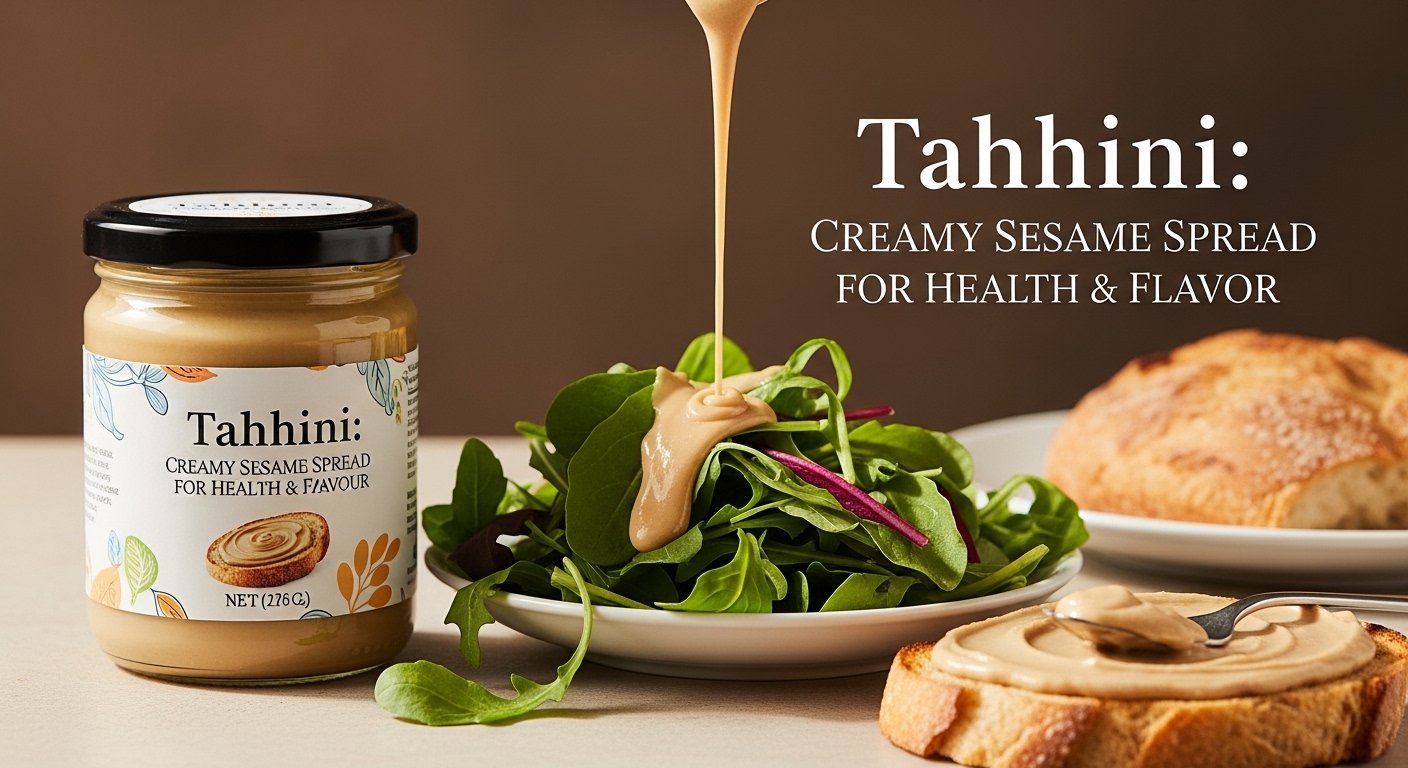
Tahhiini: Creamy Sesame Spread for Health & Flavor
Tahhiini, also spelled tahini, is a rich, creamy paste made from ground sesame seeds. Widely celebrated in Middle Eastern, Mediterranean, and North African cuisines, tahhiini is more than just a culinary ingredient — it’s a powerhouse of nutrition, flavor, and versatility. Whether used as a dip, a sauce, a dressing, or an ingredient in desserts, tahhiini offers a unique combination of taste and health benefits that make it indispensable in both traditional and modern kitchens.
History and Origins
Tahhiini has a long and fascinating history that dates back thousands of years. Sesame seeds, the base ingredient for tahhiini, are one of the oldest cultivated crops in the world, with origins traced to the Indus Valley Civilization around 3000 BCE. Ancient civilizations, including the Mesopotamians and Egyptians, prized sesame seeds for their rich oil content and nutritional value. The process of grinding sesame seeds into a smooth paste likely originated in the Middle East, where it became a staple in regional cuisines.
Over time, tahhiini spread across the Mediterranean, North Africa, and beyond. Today, it is an essential ingredient in iconic dishes like hummus, baba ghanoush, and halva, as well as in sauces, dressings, and even baked goods.
Nutritional Profile
One of the reasons tahhiini has gained global popularity is its impressive nutritional profile. Made entirely from sesame seeds, tahhiini is naturally rich in:
-
Healthy Fats: Primarily unsaturated fats that support heart health.
-
Protein: A plant-based protein source, suitable for vegetarian and vegan diets.
-
Vitamins: Especially B vitamins like B1 (thiamine), B2 (riboflavin), and B3 (niacin), which support energy metabolism.
-
Minerals: Rich in calcium, magnesium, iron, phosphorus, and zinc, promoting bone health, muscle function, and immune support.
-
Antioxidants: Compounds like sesamol and sesamin help reduce oxidative stress in the body.
A tablespoon of tahhiini contains approximately 90 calories, making it a nutrient-dense addition to meals without excessive caloric load when consumed in moderation.
Culinary Uses
Tahhiini’s versatility is one of its greatest strengths. Its smooth, nutty flavor and creamy texture make it suitable for a variety of dishes. Here are some of the most popular ways to use tahhiini in cooking:
1. Dips and Spreads
Tahhiini is a key ingredient in hummus, a beloved Middle Eastern dip made with chickpeas, lemon juice, garlic, and olive oil. It adds creaminess and depth of flavor while enhancing nutritional value. Tahhiini can also be used as a standalone dip by mixing it with lemon juice, garlic, and a touch of water to create a simple, rich sauce.
2. Dressings and Sauces
Tahhiini can be transformed into a versatile dressing for salads, roasted vegetables, or grain bowls. Combine tahhiini with olive oil, lemon juice, garlic, and a little water to make a creamy, tangy dressing that elevates any dish. It can also be incorporated into sauces for meats, seafood, or plant-based dishes, providing a smooth, nutty layer of flavor.
3. Baking and Desserts
Beyond savory dishes, tahhiini shines in the world of sweets. Halva, a traditional Middle Eastern dessert, relies heavily on tahhiini for its dense, nutty texture. Tahhiini can also be used in cookies, brownies, and cakes, adding moisture, flavor, and a subtle nuttiness that complements chocolate, honey, or fruit.
4. Smoothies and Breakfast
Tahhiini makes an excellent addition to smoothies or breakfast bowls. Blend it with bananas, berries, or oats for a protein- and nutrient-rich start to your day. Its creamy texture enhances consistency while delivering healthy fats and minerals.
Health Benefits
Regular consumption of tahhiini in moderation offers several potential health benefits:
1. Heart Health
The unsaturated fats in tahhiini, especially oleic and linoleic acids, may help reduce bad cholesterol (LDL) levels while promoting good cholesterol (HDL). This can lower the risk of heart disease and improve overall cardiovascular health.
2. Bone Strength
Tahhiini is an excellent source of calcium, magnesium, and phosphorus — all essential minerals for maintaining strong bones and preventing conditions like osteoporosis.
3. Anti-Inflammatory Properties
Sesame seeds contain compounds such as sesamin and sesamol, which have antioxidant and anti-inflammatory effects. These compounds may support joint health and reduce inflammation in the body.
4. Blood Sugar Regulation
Some studies suggest that sesame seed products, including tahhiini, may help regulate blood sugar levels by improving insulin sensitivity, making it a helpful addition to diabetic-friendly diets.
5. Digestive Health
Tahhiini contains dietary fiber, which supports healthy digestion and promotes a feeling of fullness. Its smooth texture also makes it easy to digest compared to whole seeds.
Choosing and Storing Tahhiini
When selecting tahhiini, consider the following tips:
-
Ingredients: Look for pure tahhiini made from sesame seeds, without added oils or preservatives.
-
Roasted vs. Raw: Roasted tahhiini has a deeper, nuttier flavor, while raw tahhiini is milder and slightly more bitter.
-
Consistency: Good tahhiini should be smooth and creamy, with natural separation of oil that can be stirred back in.
Store tahhiini in an airtight container in a cool, dark place. Refrigeration can extend its shelf life, particularly for natural tahhiini without preservatives. Stir well before use, as natural oils may separate over time.
Incorporating Tahhiini into Everyday Meals
Tahhiini’s versatility allows it to fit seamlessly into everyday cooking. Here are some practical ideas:
-
Breakfast: Spread tahhiini on toast with honey or mashed bananas.
-
Lunch: Drizzle tahhiini dressing over grain bowls or roasted vegetables.
-
Snacks: Use tahhiini as a dip for fresh vegetables, crackers, or pita bread.
-
Dinner: Add tahhiini to stews or sauces for creamy texture and rich flavor.
-
Desserts: Mix tahhiini into cookie dough, brownies, or smoothies.
Tahhiini in Global Cuisine
While tahhiini is a staple in Middle Eastern cooking, it has gained popularity worldwide. In Asian cuisines, sesame pastes are often used in noodle sauces or marinades. In Western countries, tahhiini has become popular among health-conscious consumers, featured in plant-based recipes, salad dressings, and vegan desserts.
Its ability to blend with both sweet and savory flavors makes tahhiini a global culinary bridge, bringing the richness of sesame seeds to kitchens everywhere.
Sustainability and Ethical Considerations
Tahhiini production is relatively sustainable. Sesame seeds require less water and energy compared to many other crops. Choosing organic or ethically sourced tahhiini can further support sustainable agriculture and ensure high-quality products free from pesticides or genetically modified seeds.
Conclusion
Tahhiini is far more than a simple sesame paste; it is a nutritious, versatile, and flavorful ingredient that enhances a wide variety of dishes. From the ancient kitchens of the Middle East to modern global recipes, tahhiini continues to delight taste buds while offering a wealth of health benefits.
Whether used in creamy hummus, drizzled over roasted vegetables, incorporated into desserts, or blended into smoothies, tahhiini is a culinary staple that proves healthy eating can also be delicious. Its rich history, nutritional value, and unmatched versatility make tahhiini an essential ingredient for anyone seeking flavor, wellness, and creativity in the kitchen.