

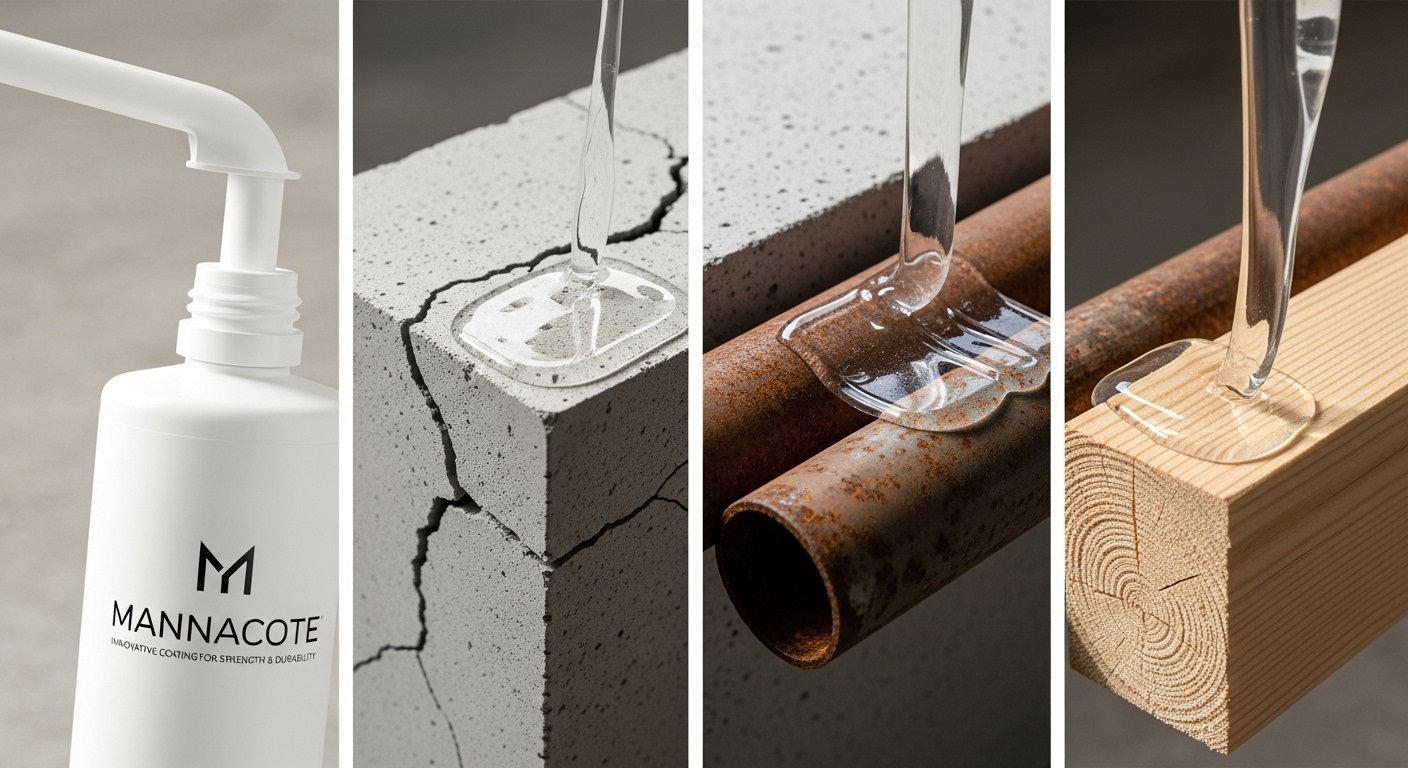
In modern industries, the longevity, durability, and performance of materials are more critical than ever. Whether in construction, automotive, aerospace, or manufacturing, surfaces are constantly exposed to harsh environments that can lead to wear, corrosion, or degradation. Enter Mannacote — an innovative coating technology designed to provide superior protection, strength, and durability to a wide range of materials. Combining advanced formulation, industrial precision, and scientific insight, Mannacote is redefining how we approach material protection.
This article explores Mannacote in depth, including its composition, applications, benefits, scientific principles, and the reasons it has become a trusted solution in modern material engineering.
What Is Mannacote?
Mannacote is a high-performance coating designed to enhance the structural integrity and longevity of various surfaces. Unlike conventional coatings, which often offer basic protection against corrosion or scratches, Mannacote provides a multi-layered approach to protection. It improves mechanical strength, chemical resistance, and surface performance without compromising the material’s original properties.
At its core, Mannacote acts as a barrier that shields the underlying material from environmental stressors such as moisture, UV radiation, temperature fluctuations, chemical exposure, and physical abrasion. Its innovative formulation enables it to adapt to different substrates, including metals, plastics, wood, and composites, making it a versatile choice across industries.
Composition and Technology Behind Mannacote
Mannacote’s performance is rooted in its advanced chemical formulation. While exact proprietary formulas vary by manufacturer, the key components typically include:
1. Polymeric Binders
High-quality polymers form the backbone of Mannacote. They adhere strongly to surfaces, creating a flexible yet durable film that resists cracking and peeling.
2. Nano-Scale Fillers
Nanoparticles are incorporated to enhance mechanical strength and resistance to abrasion. These fillers improve hardness without making the coating brittle.
3. Corrosion Inhibitors
For metal substrates, Mannacote includes compounds that prevent oxidation and corrosion, significantly extending the lifespan of treated materials.
4. UV Stabilizers
Exposure to sunlight can degrade materials over time. UV stabilizers in Mannacote prevent discoloration, fading, and structural weakening caused by ultraviolet radiation.
5. Solvents and Additives
Solvents ensure uniform application, while additives improve flow, adhesion, and curing speed, allowing the coating to form a smooth, consistent protective layer.
The combination of these components results in a coating that is strong, resilient, and adaptable, capable of performing under extreme conditions while maintaining aesthetic appeal.
How Mannacote Works
Mannacote operates on the principle of surface reinforcement. Once applied, it forms a tightly bonded layer that serves multiple functions:
-
Barrier Protection: It prevents water, chemicals, and contaminants from reaching the substrate.
-
Mechanical Enhancement: Nanoparticles and polymers strengthen the surface, making it more resistant to impact, abrasion, and scratches.
-
Chemical Resistance: Mannacote protects against acids, alkalis, and industrial chemicals that can degrade uncoated materials.
-
Thermal and UV Stability: It resists expansion, contraction, and breakdown caused by heat or UV exposure.
Through these mechanisms, Mannacote not only preserves the material but also improves its functional lifespan, reducing maintenance costs and downtime in industrial operations.
Applications of Mannacote
Mannacote’s versatility allows it to be used across a wide range of industries and applications. Some of the most common include:
1. Construction and Infrastructure
In construction, steel beams, concrete surfaces, and structural components are constantly exposed to moisture, chemicals, and temperature changes. Mannacote protects these materials from corrosion, wear, and weathering, extending the life of bridges, buildings, pipelines, and industrial facilities.
2. Automotive Industry
Automobiles require coatings that protect against scratches, road salts, UV exposure, and chemical spills. Mannacote’s durability ensures vehicles maintain their appearance while preventing rust and structural damage.
3. Aerospace and Aviation
Aircraft components demand coatings that withstand extreme temperatures, friction, and environmental stress. Mannacote’s high-performance formulation makes it suitable for protecting both metal and composite materials in aerospace engineering.
4. Marine and Offshore Applications
Ships, offshore platforms, and harbor equipment face constant exposure to saltwater and harsh marine conditions. Mannacote provides corrosion resistance and protects against abrasive forces from water and sand.
5. Industrial Machinery
Industrial machinery often faces mechanical wear, chemical exposure, and heat stress. Mannacote coatings reduce downtime by protecting parts from premature wear, improving operational efficiency.
6. Consumer Products
From electronics to household tools, Mannacote is also used in consumer products where scratch resistance, aesthetic durability, and protection against environmental damage are desired.
Benefits of Mannacote
The adoption of Mannacote provides numerous advantages:
1. Extended Material Lifespan
By preventing corrosion, wear, and environmental damage, Mannacote significantly increases the durability of coated surfaces.
2. Cost-Effective Maintenance
Fewer repairs and replacements mean lower maintenance costs over time. Industrial operators especially benefit from reduced downtime and improved operational efficiency.
3. Enhanced Strength and Durability
Nanoparticle reinforcement improves surface hardness and mechanical resistance, making materials less susceptible to damage.
4. Chemical and Environmental Resistance
Mannacote shields materials from industrial chemicals, moisture, UV radiation, and extreme temperatures.
5. Aesthetic Preservation
The coating maintains color, gloss, and texture, making surfaces look newer for longer periods.
6. Versatility Across Substrates
Mannacote can be applied to metals, plastics, wood, and composites, making it adaptable to various industrial and consumer applications.
Scientific Insights Behind Mannacote’s Performance
Mannacote’s innovation lies in material science and nanotechnology. The combination of polymers and nano-scale fillers creates a hybrid protective layer that balances flexibility and hardness:
-
Flexibility: Allows the coating to expand and contract with temperature changes, preventing cracking.
-
Hardness: Resists scratching and mechanical impact without becoming brittle.
-
Adhesion: Strong chemical bonding ensures the coating remains intact under stress.
Furthermore, corrosion inhibitors chemically interact with metal surfaces to prevent oxidation, while UV stabilizers absorb and dissipate harmful radiation. This multi-pronged scientific approach ensures Mannacote performs exceptionally in real-world conditions.
Application Methods
Proper application is essential to achieving optimal performance. Mannacote can be applied using various techniques depending on the substrate and intended use:
-
Spray Coating: Ideal for large surfaces and industrial applications, providing uniform coverage.
-
Brush or Roller: Suitable for smaller areas or surfaces requiring precision.
-
Dip Coating: Effective for small components or parts requiring complete immersion.
-
Electrostatic Application: Used in automotive and industrial contexts for efficient adhesion.
Each method requires surface preparation, such as cleaning, sanding, or priming, to ensure strong adhesion and long-lasting protection.
Challenges and Considerations
While Mannacote offers many advantages, some considerations must be noted:
-
Surface Preparation: Proper preparation is critical. Contaminated or uneven surfaces can reduce adhesion and performance.
-
Curing Time: Certain formulations require controlled curing conditions for optimal hardness and durability.
-
Environmental Safety: Application should follow safety protocols, including ventilation and protective equipment.
-
Cost: High-performance coatings like Mannacote may have higher upfront costs but deliver long-term savings through reduced maintenance.
The Future of Mannacote
As industries evolve, so does the demand for smarter, more resilient coatings. Mannacote is likely to continue developing with:
-
Advanced Nanomaterials: Improving hardness, abrasion resistance, and chemical protection.
-
Eco-Friendly Formulations: Reducing volatile organic compounds (VOCs) and environmental impact.
-
Smart Coatings: Incorporating sensors or self-healing properties to further enhance performance.
-
Customized Solutions: Tailored formulations for specific industrial or environmental needs.
These advancements will ensure Mannacote remains at the forefront of protective coating technology.
Conclusion
Mannacote: Innovative Coating for Strength & Durability is more than just a protective layer—it is a technologically advanced solution designed to safeguard materials, improve efficiency, and reduce maintenance costs. With its unique combination of polymers, nanotechnology, corrosion inhibitors, and UV stabilizers, Mannacote delivers exceptional performance across industries, from construction to aerospace.
In a world where material longevity and performance are critical, Mannacote provides the protection, durability, and reliability that modern industries demand. Its versatility, strength, and innovative design make it an essential component in the toolkit of engineers, manufacturers, and professionals seeking to extend the life and functionality of critical assets.