

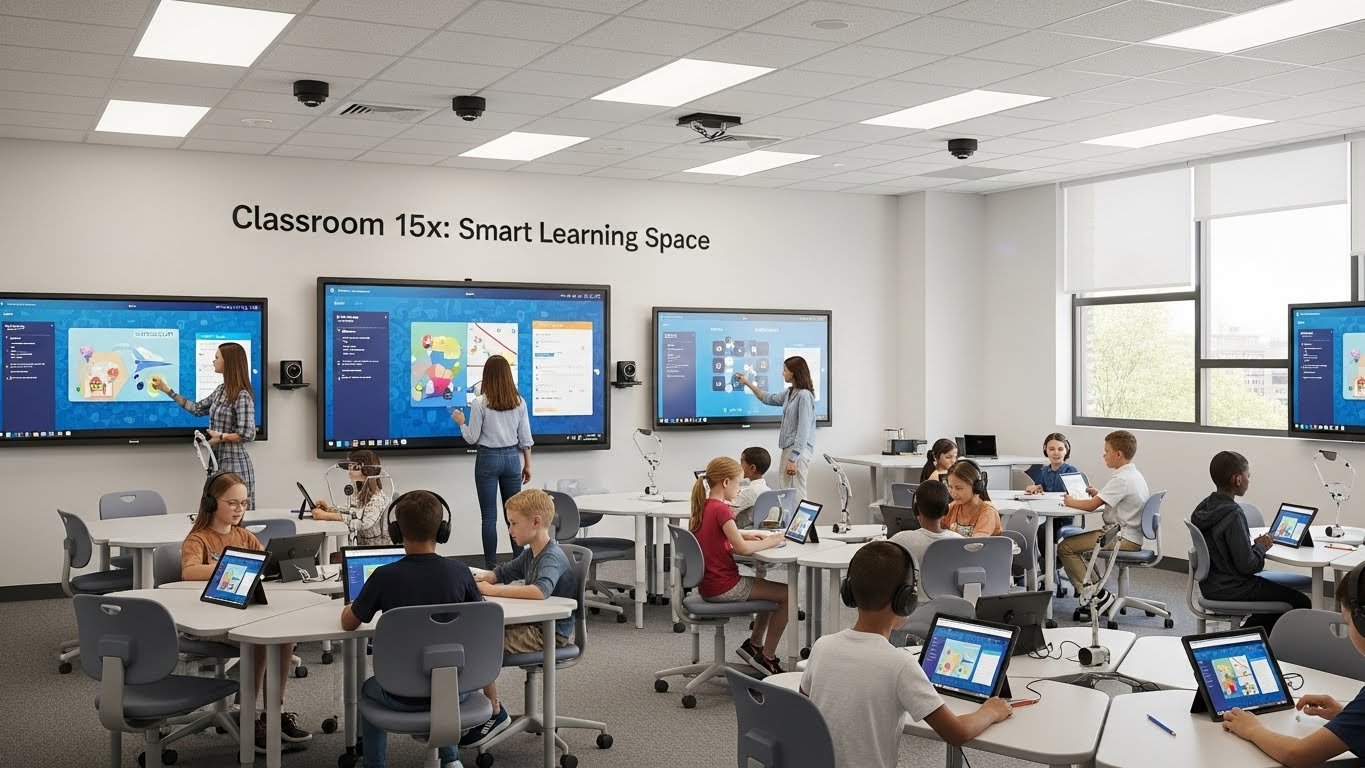
In today’s rapidly evolving education landscape, the physical environment of learning plays a crucial role in shaping student engagement, focus, and success. One concept gaining increasing attention is Classroom 15x, a smart learning space designed around efficient dimensions, thoughtful layout, and modern educational needs. Rather than being defined only by size, Classroom 15x represents a balanced approach to space utilization, technology integration, and learner-centered design.
This article explores what Classroom 15x is, why it matters, how it supports effective teaching and learning, and how educators and institutions can maximize its potential.
Understanding the Classroom 15x Concept
Classroom 15x typically refers to a 15 by 15 feet (or similar proportional) classroom space that is planned intelligently to accommodate students, teachers, and learning tools without overcrowding. While the dimensions may vary slightly depending on regional standards, the core idea remains the same: creating a compact yet highly functional learning environment.
Unlike traditional large classrooms that sometimes feel impersonal or small rooms that restrict movement, Classroom 15x focuses on balance. It ensures that every square foot contributes meaningfully to learning outcomes.
Why Smart Learning Spaces Matter
Modern education is no longer limited to chalkboards and fixed desks. Today’s classrooms must support:
-
Interactive learning
-
Digital tools and technology
-
Group discussions and collaboration
-
Individual focus and creativity
A smart learning space like Classroom 15x is designed with these goals in mind. Research shows that well-designed classrooms can significantly improve student concentration, reduce stress, and enhance academic performance.
Key Features of Classroom 15x
1. Efficient Space Utilization
In Classroom 15x, space is used intentionally. Furniture is selected to be compact, movable, and multifunctional. This allows teachers to reconfigure the room easily for lectures, group activities, or individual work.
Instead of unused corners or cramped seating, the layout ensures:
-
Clear walkways
-
Comfortable seating distance
-
Better visibility for all students
2. Student-Centered Layout
A Classroom 15x is often arranged to keep students actively involved. Common layouts include:
-
U-shaped seating for discussions
-
Clustered desks for group work
-
Rows with adequate spacing for exams
This flexibility supports different teaching styles and learning preferences.
3. Technology Integration
Smart classrooms rely on technology, and Classroom 15x is no exception. Even within limited space, modern tools can be integrated effectively, such as:
-
Interactive whiteboards
-
Projectors or smart screens
-
Audio systems for clear communication
-
Charging stations for devices
When technology is planned correctly, it enhances learning rather than distracting from it.
4. Comfort and Ergonomics
Comfort is essential for sustained learning. Classroom 15x emphasizes:
-
Ergonomic chairs and desks
-
Proper desk height for different age groups
-
Adequate legroom and posture support
Comfortable students are more attentive, motivated, and engaged throughout the lesson.
5. Lighting and Ventilation
Lighting and airflow significantly affect learning. A well-designed Classroom 15x includes:
-
Natural light through windows where possible
-
Soft, evenly distributed artificial lighting
-
Proper ventilation for fresh air circulation
These elements help reduce fatigue and maintain a healthy learning atmosphere.
Classroom 15x and Different Education Levels
Primary Education
For younger learners, Classroom 15x provides a safe and structured environment. Bright colors, visual aids, and open areas for activities help children stay curious and engaged.
Secondary Education
At the middle and high school level, the space supports focused learning, group discussions, and technology-based instruction while maintaining discipline and order.
Higher Education and Training
In colleges, universities, and training centers, Classroom 15x works well for seminars, workshops, and skill-based sessions where interaction and clarity are essential.
Benefits of Classroom 15x
1. Improved Student Engagement
A well-organized space encourages participation. Students feel seen, heard, and involved rather than lost in a large or chaotic room.
2. Better Classroom Management
Teachers can move freely, monitor students easily, and maintain discipline more effectively in a compact, well-planned classroom.
3. Cost-Effective Design
Classroom 15x reduces construction and maintenance costs while still delivering high-quality learning experiences. This is especially beneficial for schools with limited budgets.
4. Adaptability
The space can easily adapt to different subjects, teaching styles, and learning activities, making it future-ready.
Designing an Effective Classroom 15x
Step 1: Define Learning Goals
Before designing the space, educators should identify:
-
Teaching methods
-
Number of students
-
Technology requirements
This ensures the classroom supports educational objectives.
Step 2: Choose the Right Furniture
Furniture should be:
-
Lightweight and movable
-
Durable and ergonomic
-
Suitable for the age group
Foldable or stackable furniture can save space when needed.
Step 3: Optimize Wall Space
Walls can be used for:
-
Whiteboards and displays
-
Educational posters
-
Storage shelves
Vertical space utilization keeps the floor area open and organized.
Step 4: Ensure Accessibility
Classroom 15x should be inclusive, allowing easy movement for all students, including those with special needs.
Classroom 15x in the Digital Age
With the rise of blended and hybrid learning, Classroom 15x can support both physical and digital education. Teachers can seamlessly combine:
-
In-person instruction
-
Online resources
-
Multimedia presentations
This makes the classroom resilient to changing educational trends.
Challenges and Solutions
Limited Space
Solution: Use multifunctional furniture and wall-mounted technology.
Technology Clutter
Solution: Plan cable management and storage solutions in advance.
Noise Management
Solution: Use soft boards, curtains, or acoustic panels to reduce echo and distractions.
The Future of Classroom 15x
As education continues to evolve, Classroom 15x represents a shift toward intentional, human-centered learning environments. Future classrooms may include:
-
Smart sensors for lighting and temperature
-
AI-assisted teaching tools
-
Flexible layouts that change throughout the day
Yet, the core principle will remain the same: creating spaces that support meaningful learning.
Conclusion
Classroom 15x: Smart Learning Space is more than a room size—it is a philosophy of education design. By focusing on efficiency, comfort, technology, and student engagement, it creates an environment where both teachers and learners can thrive.
In a world where education must adapt quickly, Classroom 15x stands as a practical, scalable, and forward-thinking solution. Whether in schools, colleges, or training centers, this smart learning space proves that quality education does not depend on size, but on smart design.