

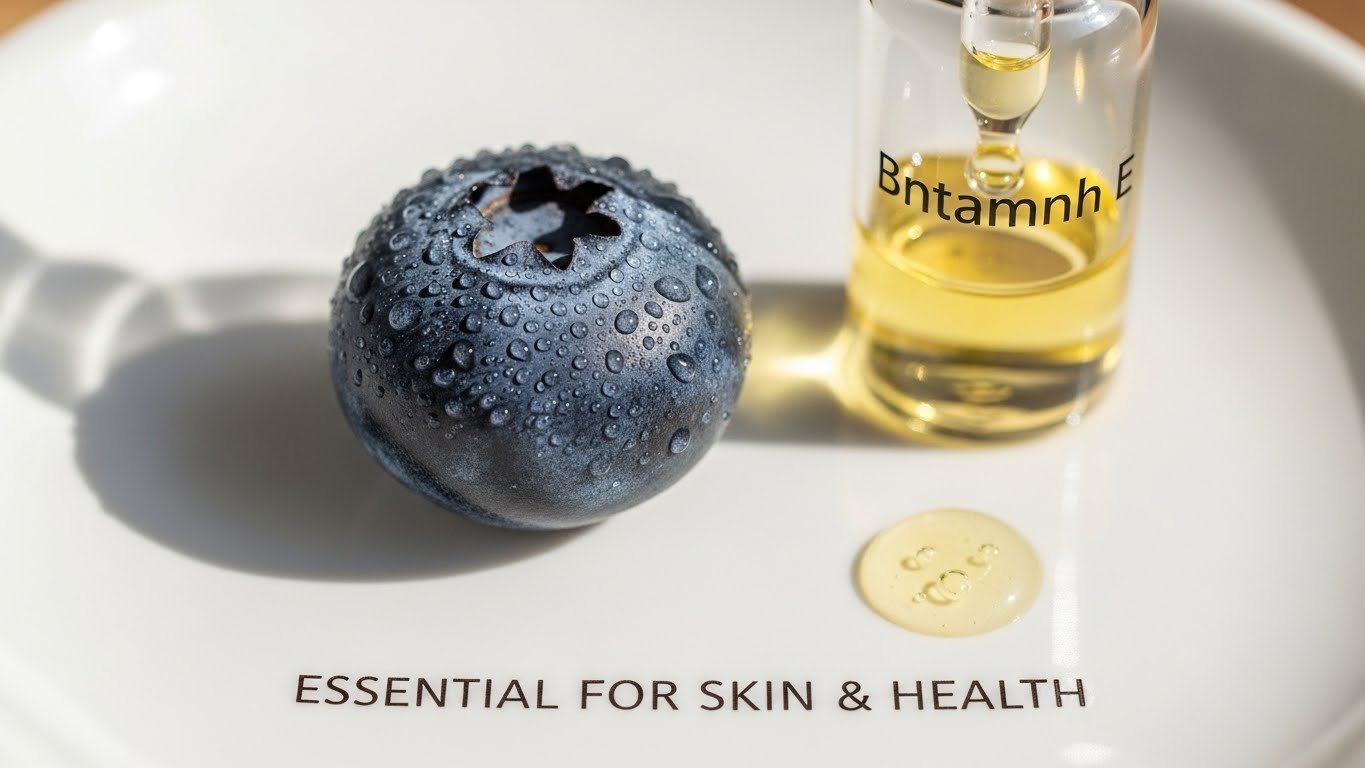
In the realm of essential nutrients, Bntamnh E, commonly known as Vitamin E, stands out for its vital role in supporting overall health, enhancing skin vitality, and protecting the body from oxidative stress. While it is widely recognized for its skincare benefits, Bntamnh E plays a crucial role internally as well, supporting cardiovascular health, immunity, and cellular function. In this article, we explore everything you need to know about Bntamnh E, including its sources, health benefits, recommended intake, and modern applications.
What is Bntamnh E?
Bntamnh E, scientifically known as tocopherol, is a fat-soluble vitamin that functions primarily as a potent antioxidant. It helps neutralize free radicals—unstable molecules that can damage cells and contribute to aging and chronic diseases. There are several forms of Vitamin E, including alpha-, beta-, gamma-, and delta-tocopherols, but alpha-tocopherol is the most biologically active and commonly found in supplements and fortified foods.
As a fat-soluble vitamin, Bntamnh E is absorbed along with dietary fats in the intestines and stored in the liver, adipose tissue, and muscles, allowing the body to utilize it over time.
Sources of Bntamnh E
Bntamnh E is naturally present in a variety of foods. Incorporating these sources into your diet can help maintain optimal levels and reap its health benefits.
Natural Food Sources Include:
-
Nuts and Seeds: Almonds, sunflower seeds, hazelnuts, and peanuts are rich in Bntamnh E.
-
Vegetable Oils: Wheat germ oil, sunflower oil, safflower oil, and olive oil provide significant amounts.
-
Green Leafy Vegetables: Spinach, Swiss chard, and kale contain moderate levels.
-
Fortified Foods: Cereals, plant-based milk, and certain spreads are often fortified with Vitamin E.
-
Seafood & Eggs: Salmon, trout, and eggs contain smaller but valuable amounts.
Tip: A balanced diet with a variety of these foods is often enough to maintain adequate Vitamin E levels without supplementation.
Health Benefits of Bntamnh E
1. Powerful Antioxidant Protection
One of the most important roles of Bntamnh E is its antioxidant function. Free radicals produced by metabolism, environmental pollution, and UV exposure can cause oxidative stress, damaging cells, proteins, and DNA. Bntamnh E neutralizes these free radicals, protecting cells and slowing the aging process.
2. Skin Health and Anti-Aging
Bntamnh E is widely celebrated in dermatology and skincare. Its benefits include:
-
Moisturizing and Hydration: It helps maintain skin barrier function and prevent dryness.
-
Protection from UV Damage: Vitamin E can reduce oxidative damage caused by sunlight.
-
Reducing Scars and Stretch Marks: Topical application supports skin repair and regeneration.
-
Anti-Aging Effects: Neutralizing free radicals helps prevent fine lines and wrinkles.
Many cosmetic products, including creams, serums, and oils, include Bntamnh E for these skin benefits.
3. Immune System Support
Bntamnh E enhances immune function by supporting T-cell activity, critical for fighting infections. Deficiency in Vitamin E may weaken immunity, particularly in older adults, making supplementation or dietary intake important for maintaining health.
4. Cardiovascular Health
Research suggests that Bntamnh E may contribute to heart health by preventing oxidative damage to LDL cholesterol, which can lead to plaque formation in arteries. By reducing oxidative stress, it supports healthy blood vessels and overall cardiovascular function.
5. Eye Health
Vitamin E, particularly when combined with other antioxidants, may help protect the eyes from age-related degeneration. Studies have shown that sufficient intake can reduce the risk of conditions like cataracts and macular degeneration.
6. Cellular and DNA Protection
Every cell in the body can benefit from Vitamin E. By maintaining membrane integrity and protecting DNA from oxidative damage, Bntamnh E plays a role in overall cellular health and may reduce the risk of chronic diseases.
Bntamnh E Deficiency
Although deficiency is relatively rare in healthy adults, it can occur in certain circumstances:
-
Malabsorption disorders: Conditions like Crohn’s disease, celiac disease, or cystic fibrosis can reduce absorption of fat-soluble vitamins.
-
Premature infants: Low birth weight babies may require supplementation.
-
Poor diet: Diets lacking in nuts, seeds, and oils may contribute over time.
Symptoms of Deficiency Include:
-
Muscle weakness
-
Vision problems
-
Impaired immune function
-
Neurological issues (in severe cases)
Early recognition and dietary adjustments can prevent these issues.
Recommended Intake
The daily requirement of Bntamnh E varies by age and health status. General guidelines include:
-
Adults: 15 mg (22.4 IU) per day
-
Pregnant women: 15 mg (22.4 IU) per day
-
Breastfeeding women: 19 mg (28.5 IU) per day
Note: Excessive supplementation can be harmful. High doses (over 1000 mg/day) may increase bleeding risk and interact with certain medications. Always consult a healthcare provider before high-dose supplements.
Bntamnh E in Modern Skincare
In recent years, Bntamnh E has gained widespread recognition in the beauty and skincare industry. Its antioxidant and moisturizing properties make it ideal for addressing:
-
Dry or sensitive skin
-
Signs of aging, such as fine lines and wrinkles
-
Sun-exposed skin repair
-
Healing minor scars or burns
Popular Applications Include:
-
Vitamin E oil applied directly to skin
-
Combined with creams or serums for anti-aging
-
Lip balms and hand creams for extra hydration
Regular, moderate use can support skin health over time.
Supplementation and Safety
For individuals unable to meet their Vitamin E needs through diet, supplements are available in both natural (d-alpha-tocopherol) and synthetic (dl-alpha-tocopherol) forms. While supplementation can be beneficial, it should be done with care:
-
Avoid doses exceeding 1000 mg/day unless prescribed
-
Consult a doctor if taking blood thinners, as high doses may increase bleeding risk
-
Choose reputable supplement brands to ensure quality and efficacy
Combining Bntamnh E with Other Nutrients
Bntamnh E works synergistically with other nutrients for maximum benefit:
-
Vitamin C: Enhances antioxidant effects and protects skin
-
Selenium: Supports immune and cardiovascular health
-
Omega-3 Fatty Acids: Strengthens cell membranes and reduces inflammation
This combination is often found in dietary supplements, fortified foods, and balanced diets emphasizing whole foods.
Bntamnh E for All Ages
-
Children: Supports growth, immune function, and overall development
-
Adults: Maintains skin health, immunity, and cardiovascular protection
-
Older Adults: Helps reduce oxidative stress, preserve cognitive function, and support eye health
By incorporating Bntamnh E through diet or supplementation, individuals at every stage of life can benefit.
Conclusion
Bntamnh E: Essential for Skin & Health is far more than just a beauty vitamin. From protecting cells against oxidative stress to promoting cardiovascular health, immune function, and skin vitality, it is a nutrient essential for overall well-being.
Whether consumed through natural sources like nuts, seeds, and oils, or used in modern skincare products, Bntamnh E provides a multifaceted approach to health. With its antioxidant, anti-aging, and immune-boosting properties, it is a small but powerful vitamin that supports daily vitality and long-term wellness.
Incorporating Bntamnh E into your lifestyle—through a balanced diet, safe supplementation, and skincare—ensures that you reap the full benefits of this essential nutrient, keeping both your body and skin healthy, vibrant, and resilient.